Equipment Rentals: A Sustainable Approach to Waterway Management.
May 7, 2026 · by igloo
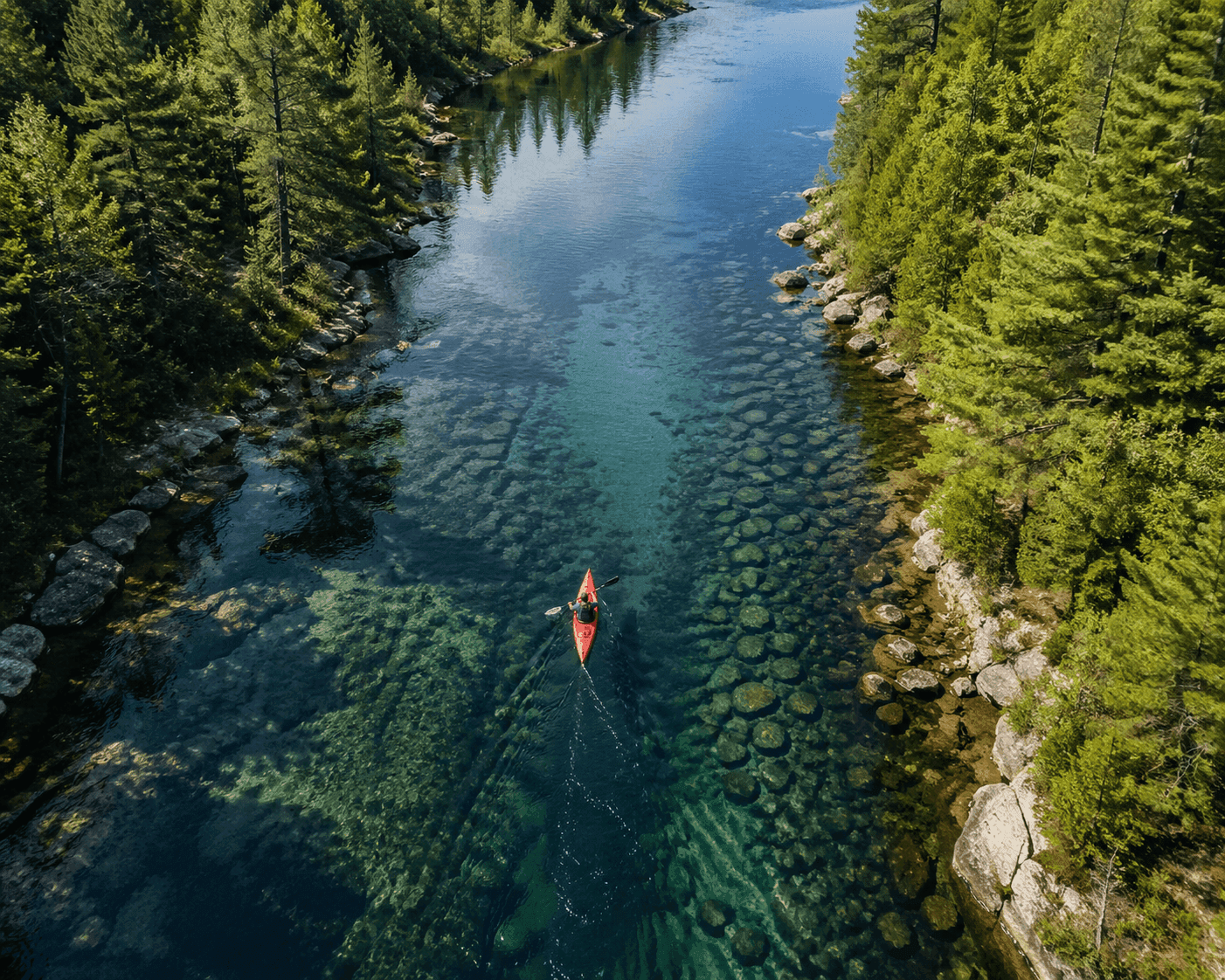
Ecological sustainability on waterways isn’t achieved through restriction & regulation alone, it can be achieved by managing equipment & user access.
Outdoor activity is growing. More people are getting onto lakes and rivers for recreation, for health, and connection to nature. But alongside that growth comes a quieter set of challenges: overcrowding, ecological strain, inconsistent safety, and limited visibility into how waterways are actually being used.
Localized watercraft rental fleets provide a controllable, data-driven system that reduces ecological risk, distributes usage intelligently, and enables safe, equitable access to outdoor activities.
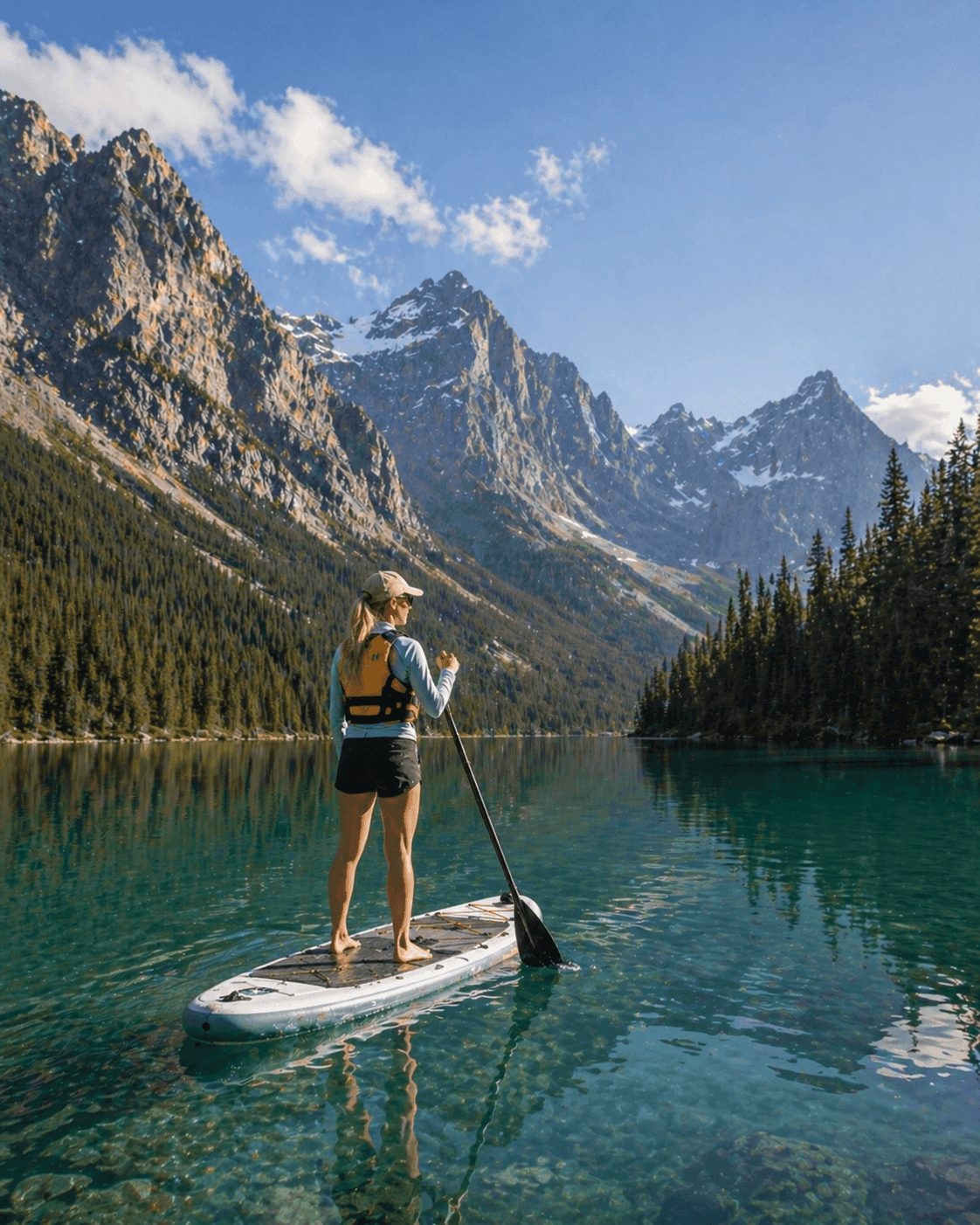
What most people don’t realize is how fragile aquatic ecosystems actually are.
A single kayak, paddleboard, or pair of waders can carry microscopic organisms from one body of water to another. Often invisible. Often undetected.
Once introduced, these organisms can spread rapidly, outcompete native species, and permanently alter the balance of an ecosystem. In some cases, entire fish populations have been impacted, all because of unintentional human movement between lakes and rivers.
Managing access isn’t theoretical. It’s already happening across North America in high-volume tourist environments, where private watercraft access has been increasingly limited to reduce ecological strain.
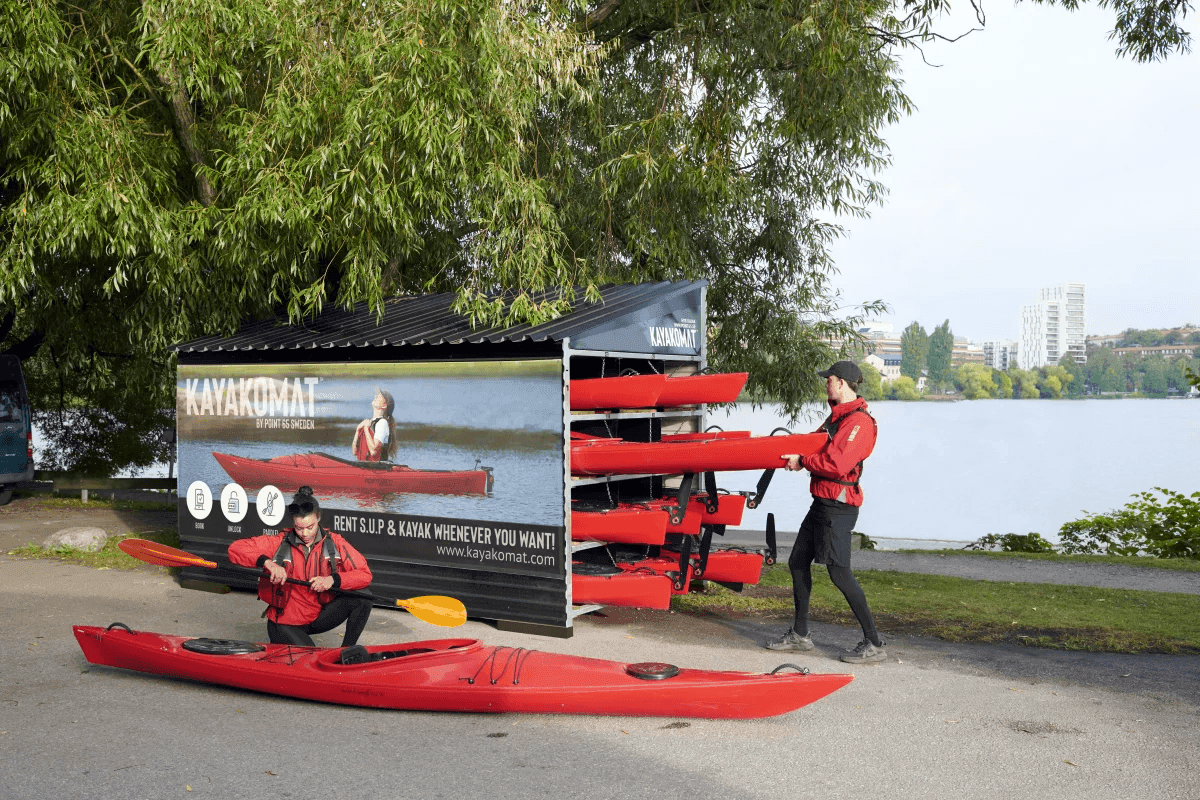 Photo Credits: www.kayakomat.com
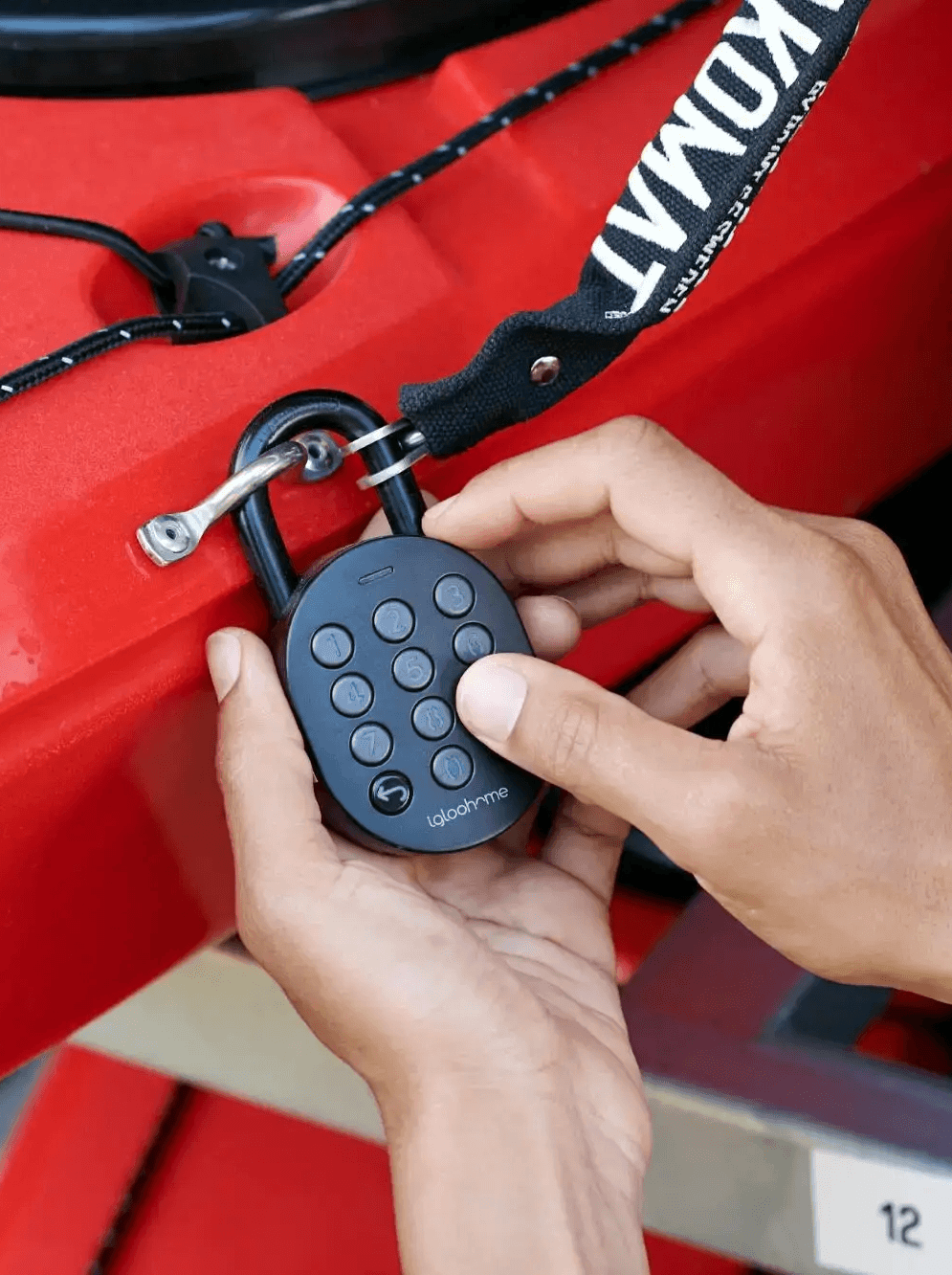
Localized watercraft rental fleets offer a fundamentally different model, one that introduces structure without removing accessibility.
By keeping watercraft within a single body of water, these fleets naturally mitigate cross-contamination. Movement is reduced. Risk is contained. What was previously untracked becomes controlled and traceable. At the same time, access is quantified and becomes measurable.
Instead of relying on assumptions, operators and municipalities gain real visibility into how frequently and at what time waterways are used, and with what type of craft (SUPs.
Kayaks, Fishing Kayaks etc.). They get insight into how many people are on the water, when they go out, and how long they stay. Peak congestion can be managed and usage can be distributed more evenly across the day through pricing.
Over time, this data builds a clearer picture of seasonal & tourism patterns, and allows cities to make decisions based on data.
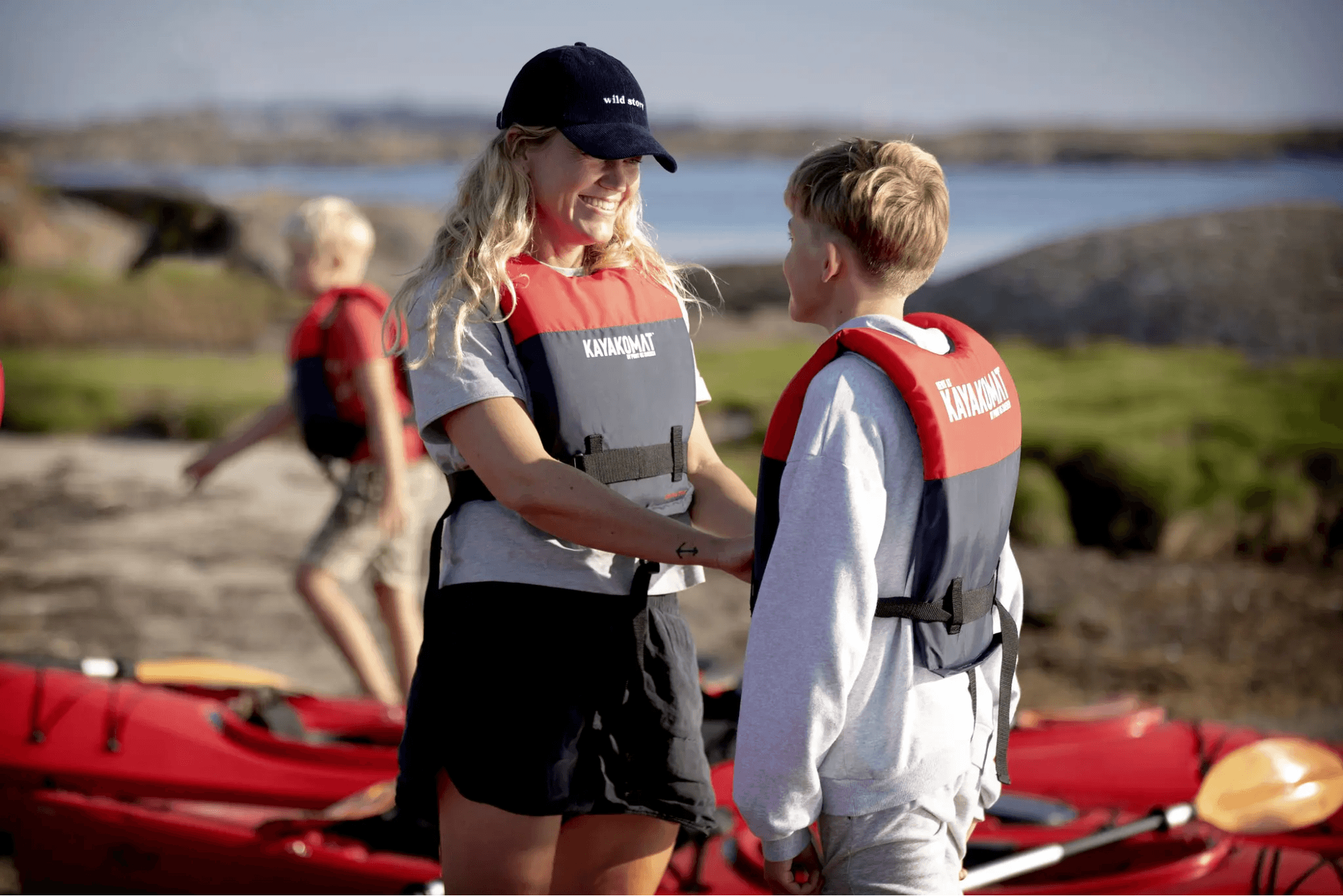
Just as importantly, managed systems create a consistent baseline for safety.
Rental fleets ensure that equipment is maintained, safety gear is provided, and first-time users receive at least a minimum level of onboarding. That consistency matters. The majority of paddling-related fatalities occur when basic safety measures aren’t followed; most notably, not wearing a life jacket or personal flotation device (PFD). Data shows that roughly 80–90% of drowning victims in boating incidents were not wearing a PFD.
Good systems don’t just enable access, they encourage the conditions that make it safe. They also allow usage to be aligned with real-world conditions.
Operating hours can be constrained or relaxed based on weather, daylight, and water safety advisories. Demand can be shaped through pricing and availability, shifting usage away from peak congestion and encouraging more balanced patterns throughout the day.
At the same time, rental fleets expand access by lowering the barrier to entry. They remove the need for private ownership, transport, storage and maintenance. They allow more people; to experience the outdoors in a way that is easy, safe yet adventurous. This supports not just environmental outcomes, but public health, wellbeing, and quality of life.
“The goal isn’t to limit access to nature. It’s to manage it well enough that nature remains accessible for generations to come.”
Managed rental systems represent a shift from informal unrestricted access, where ecological protection, user safety, and public enjoyment are balanced through design rather than restriction.
As cities continue to navigate the tension between tourism and sustainability, localized fleets offer a practical path forward: measurable, controllable, and aligned with the long-term health of both waterways and communities.
The future of outdoor access isn’t about exclusivity. It’s about managing access well enough that more people can enjoy it; without compromising what makes it worth protecting in the first place.