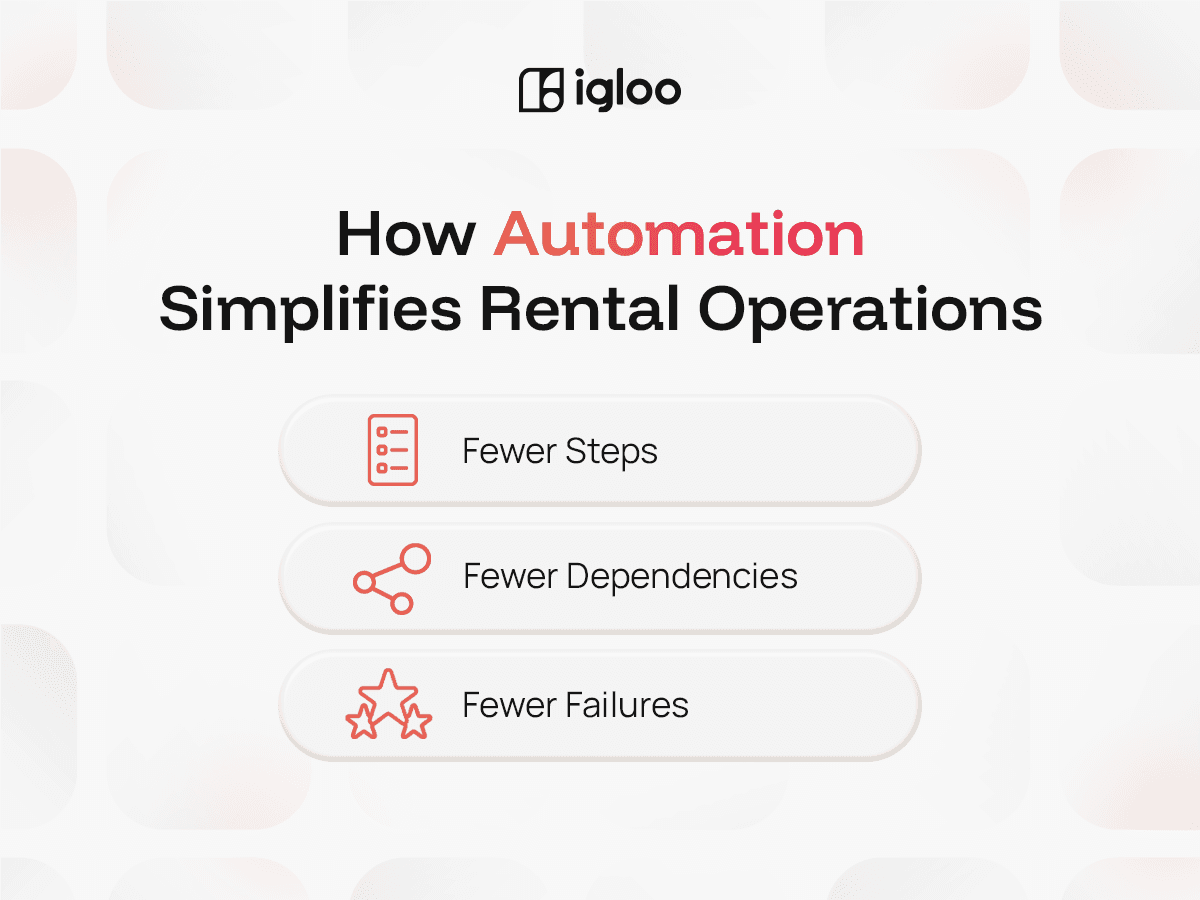
How Automation Simplifies Rental Operations: Fewer Steps, Fewer Dependencies, Fewer Failures
April 30, 2026 · by igloo
How Automation Simplifies Rental Operations: Fewer Steps, Fewer Dependencies, Fewer Failures
There is a persistent misconception about rental automation: that it adds complexity. That it requires a significant technology overhaul, a new team to manage it, and a period of disruption before anything gets better.
The opposite is true.
The automated rental model is not more complicated than the manual one. It is shorter. It has fewer steps, fewer people involved in each step, and fewer points where something can go wrong. The technology does not create a new system on top of your existing one. It removes the steps that should never have been manual in the first place.
This article walks through exactly how that works: step by step, dependency by dependency, and failure point by failure point.
The Manual Rental Flow: What You Are Currently Running
Before looking at the automated model, it is worth laying out the manual flow clearly. Not to criticise it, but because the contrast only lands if both models are specific.
A standard manual rental transaction for a business without automation looks something like this:
Customer enquires about availability (phone, email, or walk-in)
Staff confirms availability and quotes price
Deposit collected manually (cash, card, or bank transfer)
Key or access credential arranged and labelled
Handover scheduled: customer must arrive during staff hours
Staff present for pickup and physical key handover
Follow-up to confirm return timing and condition
Staff present again for key collection and deposit release
Eight steps. Three to four people involved across those steps (customer, booking staff, handover staff, return staff; sometimes the same person, sometimes not). Fixed hours. Multiple manual coordination points. Multiple opportunities for error.
Hostaway's property management research found that manual workflows create significant operational risk through double bookings, missed follow-ups, and scheduling conflicts that compound as portfolio or fleet size grows. These are not edge cases. They are the expected output of a model that requires human coordination at every step.
The Automated Rental Flow: What Replaces It
Now contrast that with the automated model:
Customer books online and payment is captured automatically
Access code is generated automatically at booking confirmation
Customer arrives at any hour, enters code, accesses equipment
Return is logged. Access code expires automatically.
Four steps. Zero coordination dependencies. No staff required at the handover. 24/7 availability. One audit trail that covers the entire transaction.
Hostfully's guide to smart lock integration for rental operations notes that property managers using smart lock management software report saving 3 to 5 hours per week on key-related tasks alone. Multiplied across a portfolio of multiple units or equipment items, saving compounds quickly into dozens of hours per month recovered from administrative overhead.
This is not a marginal improvement. It is a structural simplification. The automated model does not make each step faster. It removes the steps entirely.
Fewer Steps: What Gets Removed and Why
The most immediate change when a rental operation automates is the reduction in steps. But it is worth being specific about which steps go and why their removal matters beyond convenience.
The availability confirmation step
In a manual model, availability confirmation requires a human to check a calendar (or worse, a spreadsheet) and respond to the customer. This step introduces a time lag and creates a window during which the customer may book elsewhere. It also requires staff to be available when the customer reaches out, which is not always during business hours.
In the automated model, availability is visible in real time through the booking platform. The customer confirms it themselves. The step is eliminated.
The physical key preparation step
Preparing, labelling, and tracking a physical key is not a complex task. But it is a manual one that requires physical presence, generates physical records, and creates a failure point every time a key is misplaced, taken home in a pocket, or not returned on schedule.
Real-time key management research from Real Time Networks highlights that manual key management is prone to human error at every touchpoint. A single lost key can create operational disruption disproportionate to its size. In a rental environment managing multiple keys across multiple pieces of equipment, that risk surface is significant.
In the automated model, the access credential is digital. It is generated at booking, delivered automatically, and expires at the end of the rental period. There is no key to prepare, label, track, or chase.
The scheduled handover step
The handover step is the most time-constrained in the entire manual flow. Both the customer and the staff member need to be in the same place at the same time. If either side misses that window, the rental does not happen.
Booqable's research on rental revenue loss found that the average rental business loses 10 to 15 percent of potential annual revenue to no-shows ; a direct consequence of the scheduled handover requirement creating friction between customer intent and operational execution.
In the automated model, the customer arrives when it suits them. The access code works at the time their booking begins and stops working when it ends. The handover step is replaced by self-service access. No scheduling required. No no-shows. No missed revenue.
Fewer Dependencies: What Changes When Coordination Disappears
The manual rental model has three categories of human dependency: staff must be available, customers must arrive on time, and both must coordinate successfully. Each dependency is a potential failure point.
Automation eliminates coordination as a requirement.
The booking platform handles availability and payment
When a booking platform is connected to real inventory and payment processing, the customer experience from enquiry to confirmed booking requires zero staff involvement. The system handles availability in real time, processes the deposit or full payment, and triggers the next step automatically.
Avantio's vacation rental automation guide notes that when a booking is confirmed through an integrated system, all calendars update instantly and the access code generation is triggered without manual intervention. The booking and the access are tied together systemically, not by a person remembering to do the next step.
The digital lock handles access without connectivity dependencies
This is the most frequently misunderstood element of rental automation: the assumption that digital access requires a stable internet connection. For many rental environments — outdoor locations, storage sites, marina-adjacent facilities — connectivity is not guaranteed.
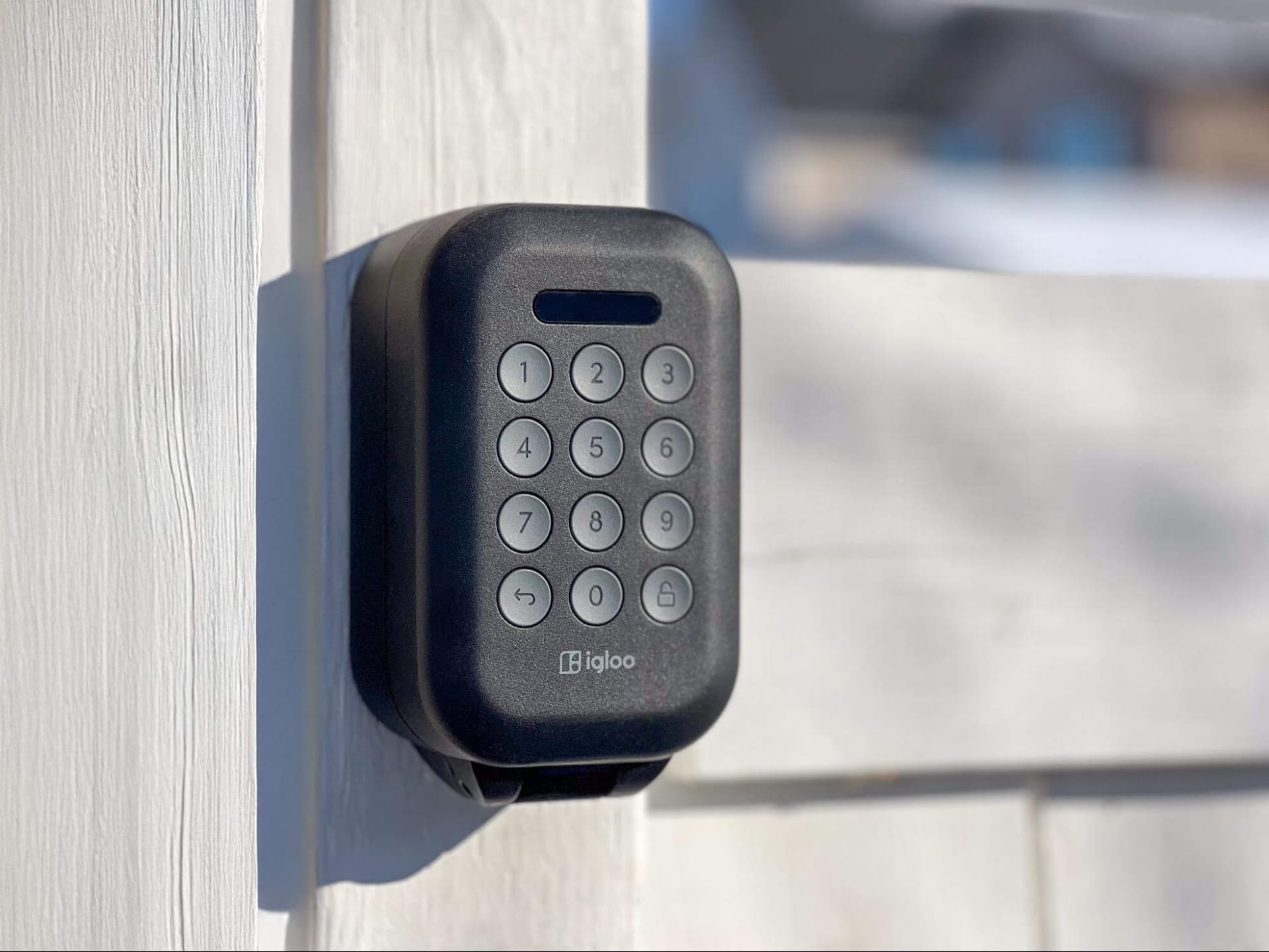
igloo's algoPIN technology addresses this directly. Time-bound PIN codes are generated algorithmically and work on the lock without any live internet connection. As Lockii's independent review of smart locks for self-service rentals notes, igloo's offline system generates time-sensitive PIN codes that eliminate the need for Wi-Fi while still ensuring secure access; a requirement for 24/7 rental operations in real-world locations.
This means the access step in the automated flow has no connectivity dependency. The code works when the customer arrives, regardless of whether the lock is online at that moment.
The access log handles the return record
In the manual model, the return step requires staff presence to verify that the equipment is back, in acceptable condition, and to release the deposit. In the automated model, the access log records the last entry event. The code expires automatically. The deposit release can be triggered by the system on a defined schedule or manually reviewed remotely.
RentalReady's smart lock property management guide notes that digital access systems turn access into a controlled system with fewer lockouts, clearer accountability, and an operation that is easier to scale. The audit trail replaces the manual return log entirely.
Fewer Failures: What Stops Breaking When the System Runs Itself
Every step in the manual flow that requires human coordination is a potential failure. Automation does not eliminate all risk; equipment still needs maintenance, customers still make mistakes, edge cases still arise. But it removes the category of failure that comes from coordination breakdowns.
Double bookings stop
When a booking platform has a single source of truth for inventory, two customers cannot book the same item for the same time. The system prevents it at the point of booking rather than discovering it at the point of handover.
After-hours bookings stop being a problem
When access is digital and time-bound, operating hours are no longer determined by staff availability. A customer who books at 11pm for a 6am pickup receives their code automatically. No staff member needs to be awake or available. The revenue is captured and the rental happens without any human involvement between booking and access.
Hostfully's research on automated check-in systems notes that smart lock systems handle the entire guest access process automatically, with no chance of arriving without a code and no risk of a staff member forgetting to send details. The failure mode of 'we forgot to send the access information' is structurally removed from the system.
Key losses stop being operational crises
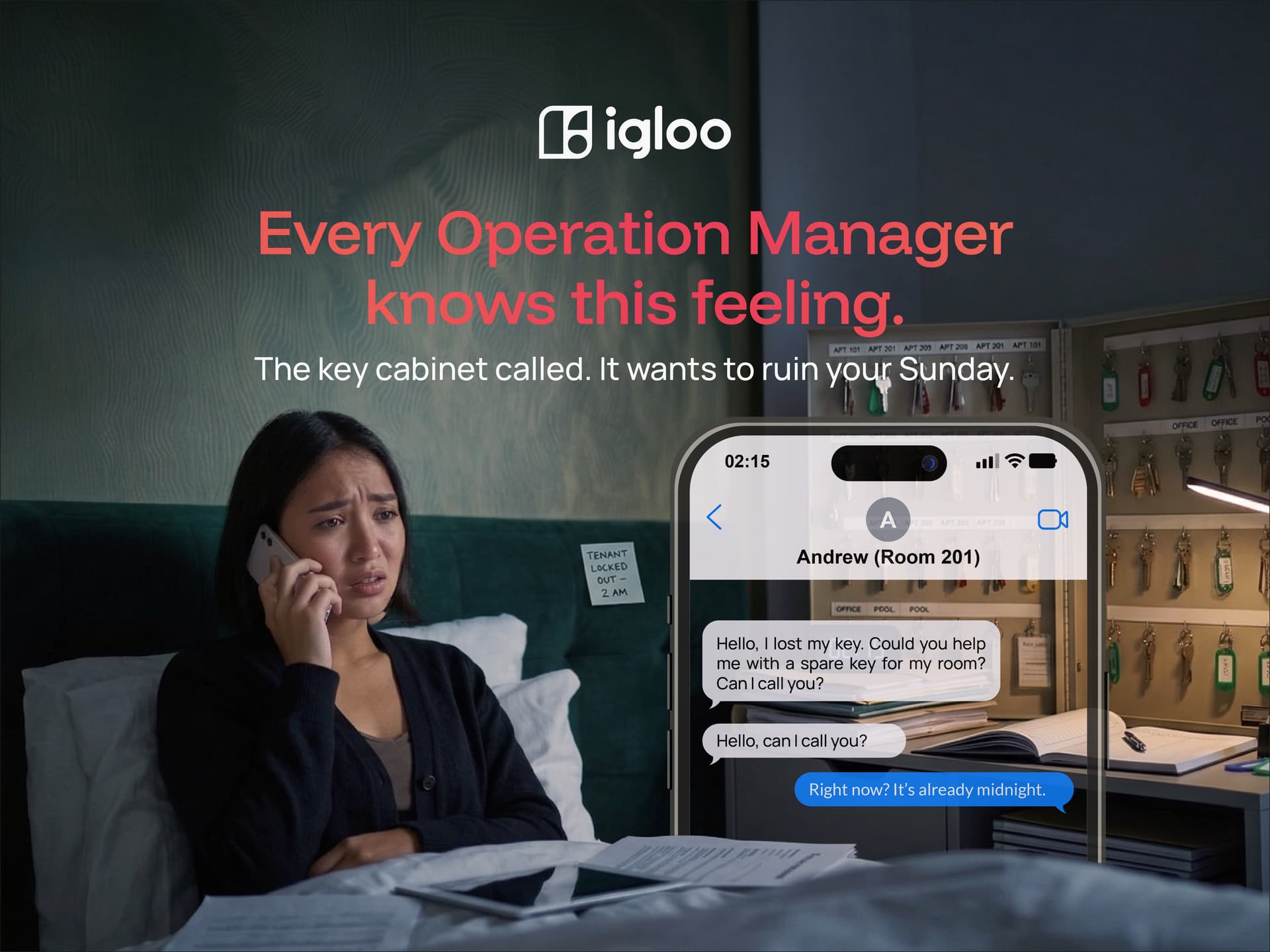
When there is no physical key, there is no key to lose. The access credential is digital, scoped to a specific time window, and generated fresh for each rental. If a customer misplaces their code, it can be resent in seconds. The operational disruption that a lost physical key creates; rescheduling, rekeying, or denying access, does not exist in the automated model.
What the Transition Actually Requires
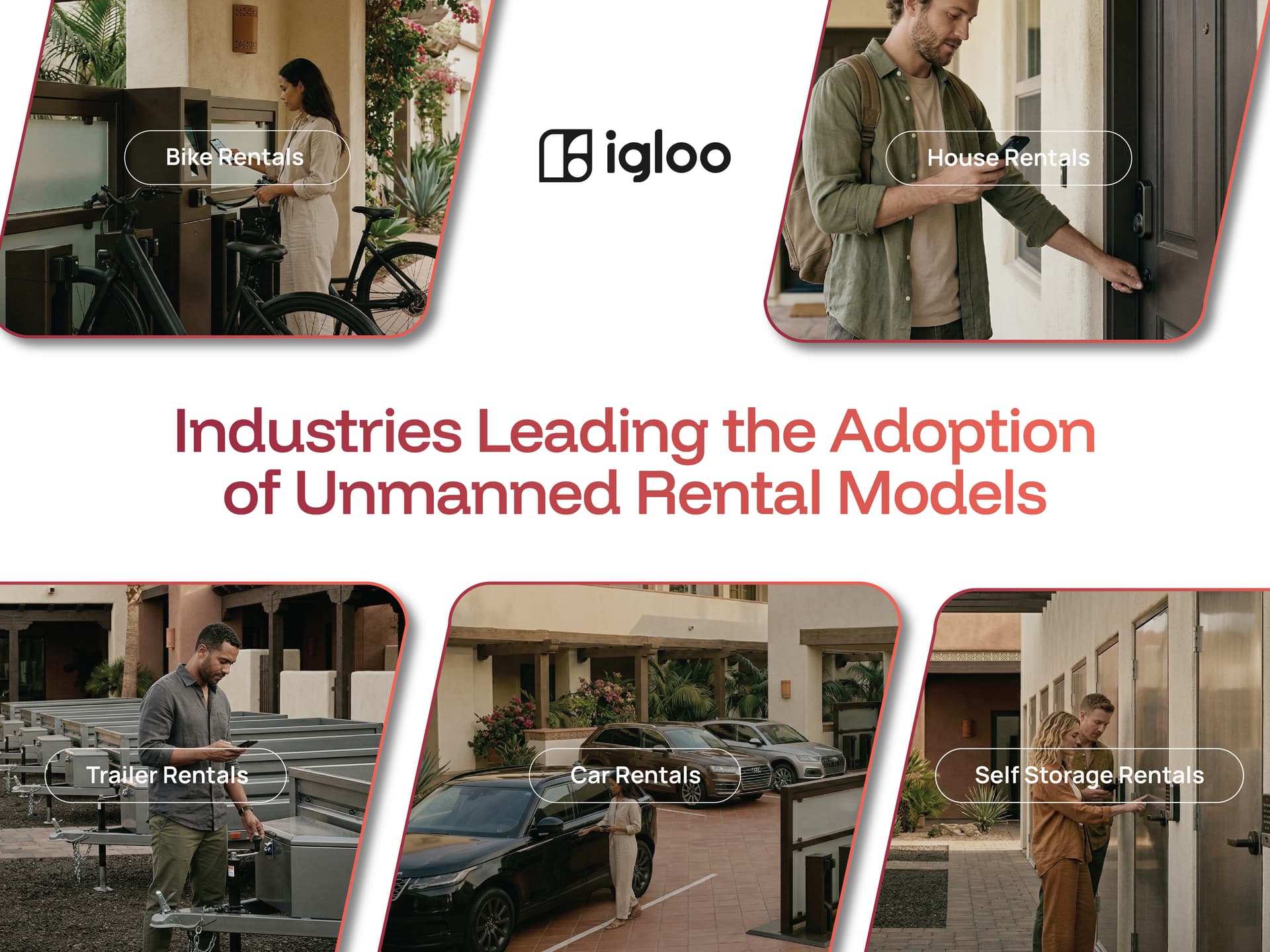
The automated rental flow described in this article is not a distant aspiration. It is running today across bike rental, trailer rental, SUP and watersports, camera gear, and self-storage operations. The infrastructure required to run it is a connected booking platform, automated payment processing, and a digital lock at the physical handover point.
None of these are new or experimental technologies. They are purpose-built, integrated, and running in real rental businesses at scale.
The transition is typically staged:
Move booking and payment online. Eliminate the enquiry and deposit steps from the manual flow.
Install digital access at the physical handover point. This is where the model becomes genuinely unmanned.
Connect the booking platform to the access system so that code generation and delivery happen automatically at booking confirmation.
Configure access log reporting and remote monitoring. The operational visibility that replaces on-site staff presence.
According to Quipli's 2025 State of Tech in the Equipment Rental Industry, 57% of rental operators who invested in integrated technology saw a decrease in missed rentals and 43% reported improved utilisation rates. The ROI on automation is not measured in theoretical efficiency. It is measured in rentals that now happen that previously did not.
The Simplest Way to Understand the Shift
Automation does not add a system. It removes everything that should not have been a step in the first place.
The manual rental flow required human coordination because no alternative existed. The automated model replaces each coordination point with a connected system that handles the same function faster, more reliably, and at any hour.
The result is not a more complex operation. It is a simpler one. Four steps instead of eight. Zero dependencies instead of three people. 24/7 instead of business hours.
Every rental business that has made this transition reports the same thing: the hardest part was deciding to start.
igloo is the access layer that closes the loop.
Time-bound PIN codes generated algorithmically. Offline functionality for real-world rental environments. Integrations with the booking platforms your business already uses. The physical handover step, handled without any staff involvement. If you are ready to move your rental operation from eight steps to four, we can show you what that looks like for your specific vertical.