Co-Living Access Control at The Assembly Place: From Shared Entrance to Private Room Inside Co-Living Access — Part 1 of 3
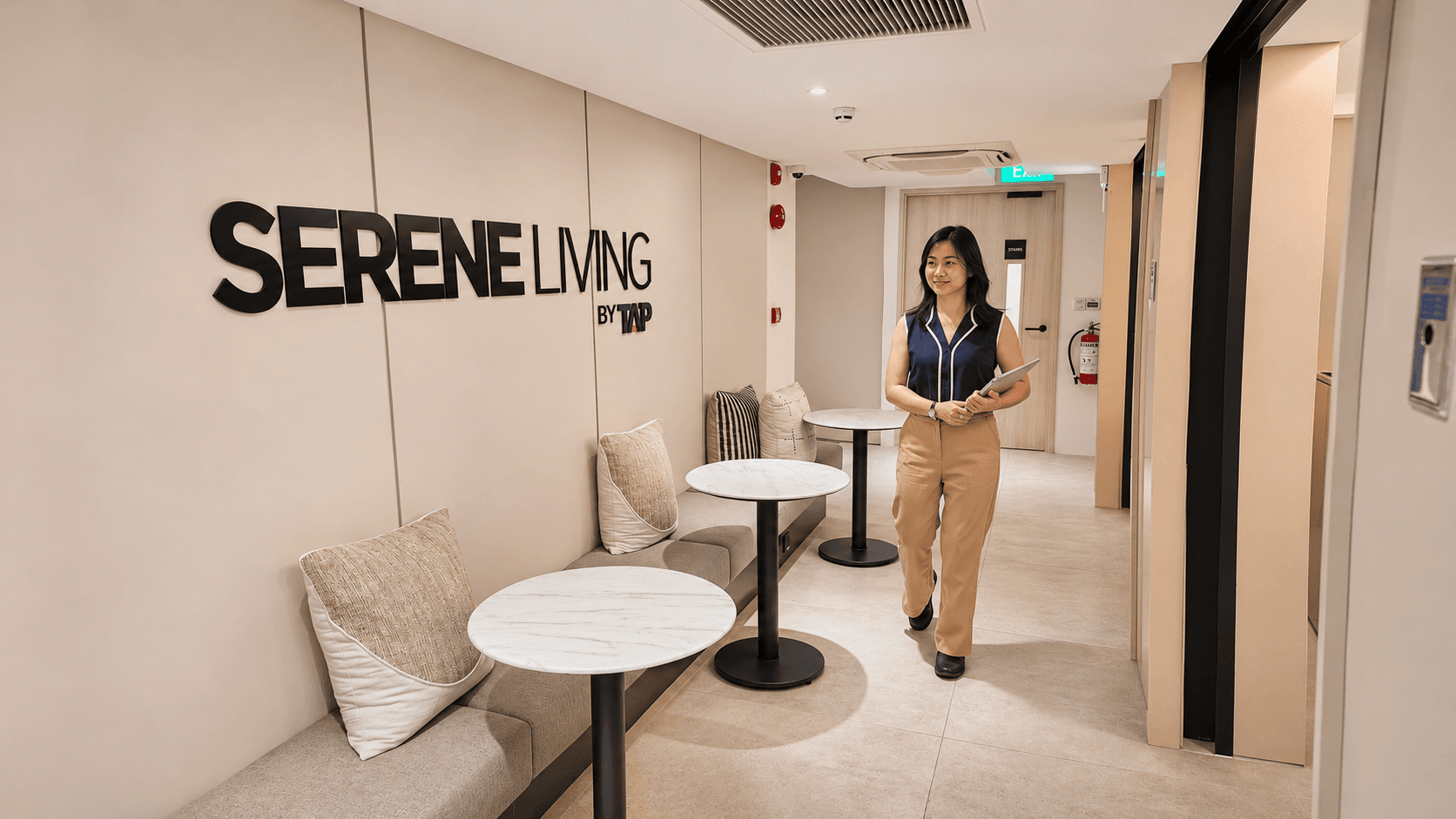
The working day is over. You arrive home, enter the building and make your way towards the apartment you share with others. Beyond the apartment door is another entrance: the door to your own room.
It is an ordinary journey. But in a co-living property, each door marks a different boundary—between the outside world and the property, between neighbouring apartments, and between shared living and personal space.
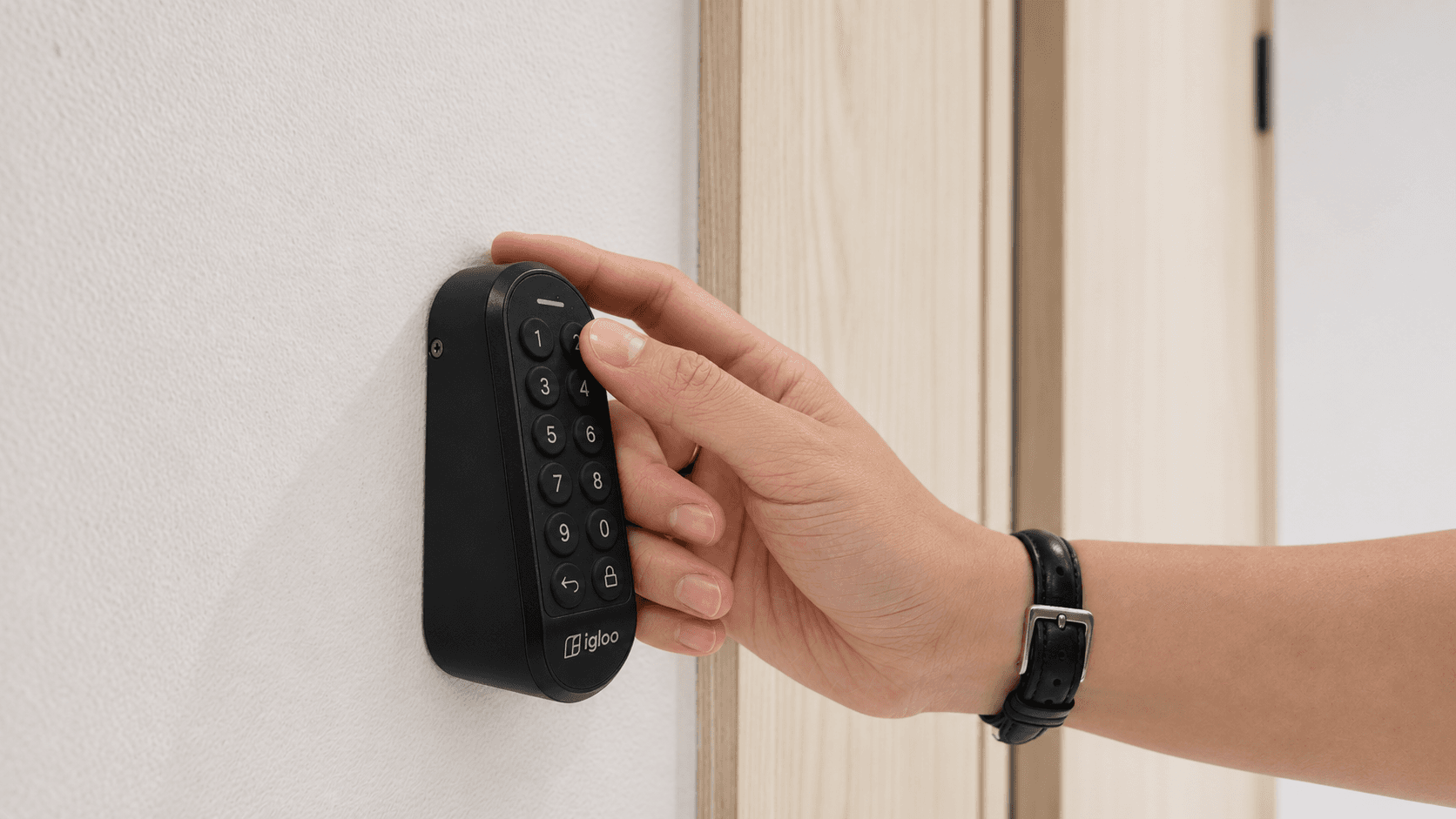
At The Assembly Place (TAP) property we visited in Singapore, that journey brings together several igloo smart access solutions. From the main entrances to individual rooms, PIN code access connects the different stages of coming home.
Following this route offers a closer look at what co-living access control means in everyday life.
Private Room Access with an Individual PIN Code
Beyond the apartment entrance is the final door in this journey: your own room.
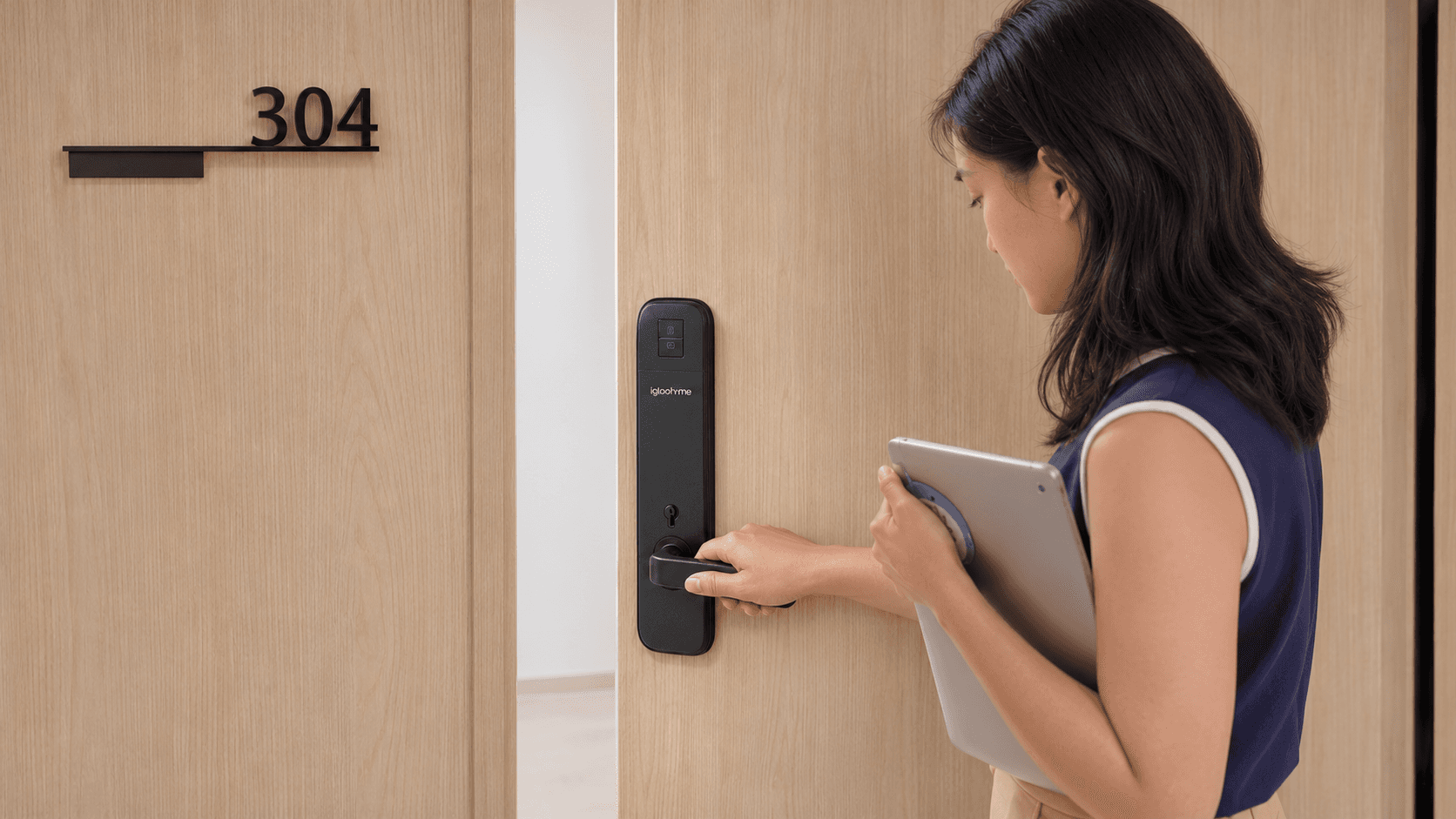
At this TAP property, individual rooms use igloo deadbolt locks. Each resident has their own room PIN, separate from the shared apartment code.
For someone coming home, the immediate task is simple: enter and continue inside. For the operator, this entrance forms part of a wider residential access control setup, alongside the doors further into the property.
The front entrance is only the beginning.
Shared Apartment Access with PIN Code Door Locks
Once inside the co-living property, the next destination is your apartment.
Here, an igloo mortise lock marks another boundary. Residents of the same apartment use a shared apartment PIN, while a different apartment has its own code.
This reflects an essential part of co-living: residents share a property, but they do not all share the same home within it.
The apartment door separates your household from neighbouring apartments. It is the point where the wider co-living environment becomes a smaller space shared with your housemates.
For the resident, entering the apartment is another familiar step on the way home. For access planning, it introduces a distinct layer between the main entrance and the private room.
Private Room Access with an Individual PIN Code
Beyond the apartment entrance is the final door in this journey: your own room.
At this TAP property, individual rooms use igloo deadbolt locks. Each resident has their own room PIN, separate from the shared apartment code.
The distinction matters. Sharing access to an apartment does not mean sharing access to every room inside it.
You might share parts of daily life with your housemates, but your room remains your own space. The access setup follows that boundary, moving from a code shared within the apartment to a PIN for the individual resident’s room.
Enter the PIN, open the door, and the journey home is complete.
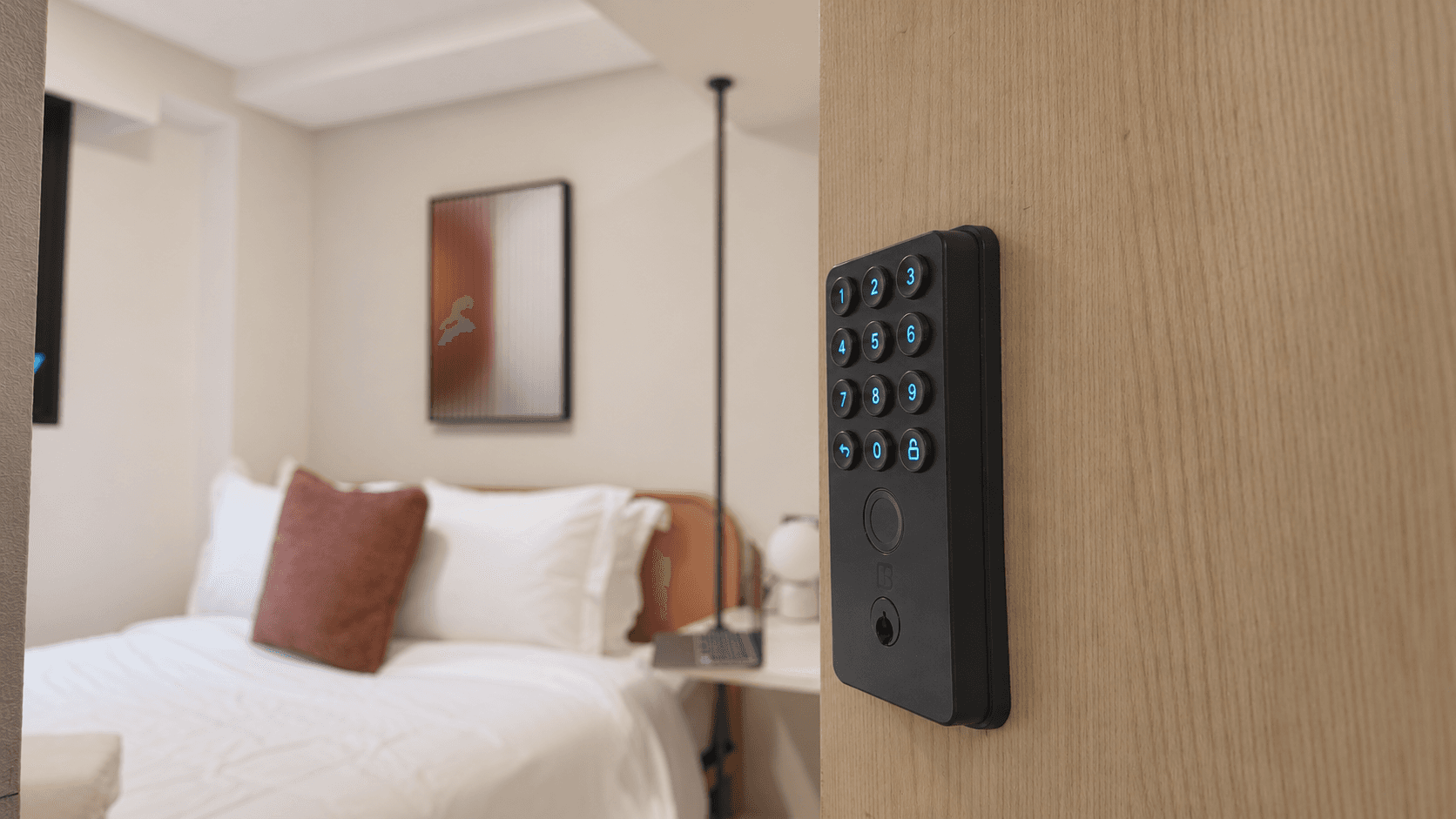
How Three Access Points Connect the Co-Living Resident Journey
Seen from the resident’s perspective, coming home is a continuous sequence. Seen through the lens of co-living access control, it involves three distinct layers:
Access Point | Role in the resident journey | Setup at the TAP property |
|---|---|---|
Property entrance | Enter the co-living property | igloo Keypad 2 and Switch |
Apartment entrance | Enter the apartment shared with housemates | igloo mortise lock with a shared apartment PIN |
Individual room | Enter the resident’s own private space | igloo deadbolt lock with the resident’s own room PIN |
PIN codes are the common access method throughout the journey, while the doors and codes serve different purposes.
That is what makes this property an interesting example of smart access control. The story is about how access follows the way people live: together in some spaces, separately in others.
Designing Everyday Access for Co-Living Residents
According to the TAP property manager we spoke with, approximately 70% of residents are young working adults and 20% are international students.
Their daily routines may differ. One person could be returning from work while another is coming back from class. Both make the same transition from a shared property to an apartment, then to a room of their own.
Following that everyday route makes access planning tangible. The questions become straightforward: which doors does a resident encounter, which spaces do they share, and where does their private space begin?
At the TAP property we visited, igloo’s PIN code door locks and entrance access solutions form part of that daily experience—one door at a time.
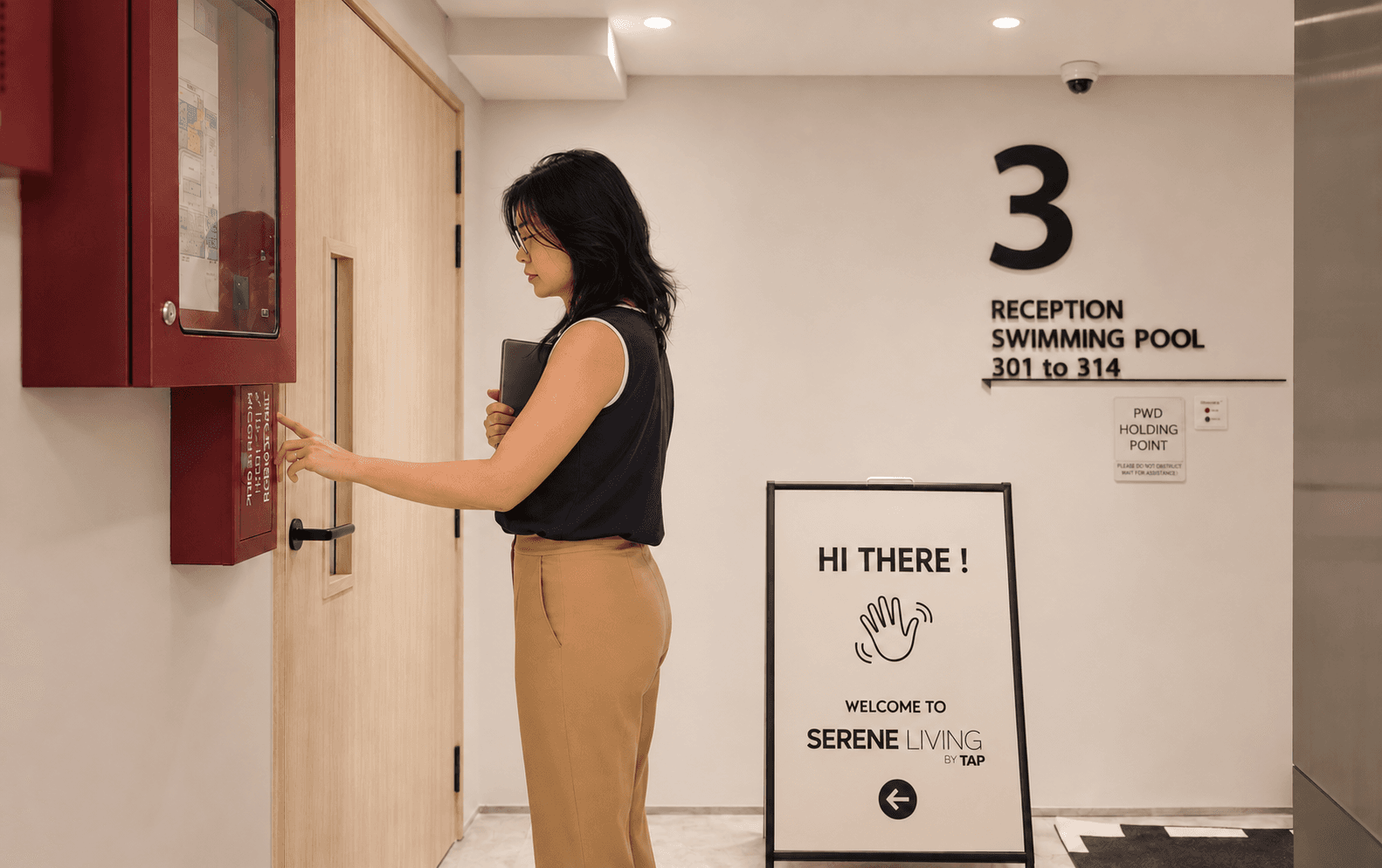
Beyond the Resident Journey: Planning Co-Living Access Permissions
Following a resident home reveals where access is needed. It also opens up another question: how should access differ for the other people who use and manage a co-living property?
Residents, property teams and service providers may need to reach different spaces for different reasons.
*This article describes the TAP property visited for this feature. Access arrangements may differ across properties.
Planning access for a co-living property? Talk to igloo about smart access solutions for shared entrances, apartment doors and individual rooms.